
Office Building & Office Suite Inspections
Property Condition Assessments, Preventive Maintenance & Capital Planning for Commercial Office Properties
Office buildings are more than workplaces. They are significant commercial assets whose physical condition can influence operating expenses, tenant satisfaction, leasing potential, and long-term investment performance. From single-tenant professional offices to multi-story commercial buildings, office properties require ongoing maintenance and periodic capital improvements to remain functional, competitive, and attractive to occupants.
At Focus Building Inspections, we help commercial property buyers, investors, brokers, owners, and property managers better understand building condition through commercial building inspections and Property Condition Assessments (PCAs).
Property Condition Assessments for Office Buildings
A well-maintained appearance doesn't always reflect the condition of the building. Office buildings may have attractive interiors, updated finishes, and modern common areas while still containing aging mechanical equipment, deteriorating roofing, moisture-related deficiencies, or significant deferred maintenance.
A Property Condition Assessment (PCA) provides a systematic evaluation of a commercial property's observable physical condition. It helps identify material deficiencies, deferred maintenance, and building components that may require repair or replacement. For office properties, these evaluations are particularly valuable because the building's systems and shared spaces directly influence the experience of employees, visitors, and tenants.
An office building PCA can help stakeholders better understand:
The observable condition of major building systems and components.
Existing deficiencies and maintenance concerns.
Potential repair and replacement requirements.
Conditions that may warrant further evaluation by qualified specialists.
The financial implications of identified property needs when an Opinion of Cost is included.
For buyers and investors, this information supports due diligence and acquisition decisions. For existing owners, it provides a clearer foundation for maintenance priorities, property improvements, and long-term budgeting.
Building Condition, Tenant Satisfaction & Occupancy
The condition of an office building can influence whether tenants want to stay. Unlike many storage or industrial properties, office buildings are designed for prolonged daily occupancy. Their value to occupants depends not only on usable space but also on comfort, reliability, accessibility, and the overall condition of the property. Aging HVAC equipment can lead to inconsistent temperatures and increased operating expenses. Water intrusion may damage interior finishes and disrupt occupied spaces. Deteriorating common areas, restrooms, or parking facilities can affect a property's appearance and tenant experience. For multi-tenant office buildings, these conditions can create additional challenges because building deficiencies may affect several occupants simultaneously.
Landlords and property managers who understand the condition of their buildings are better positioned to plan repairs, coordinate improvements, and address maintenance needs before they become larger operational problems. For investors, building condition is also relevant to leasing and ownership economics. Significant maintenance requirements may influence tenant improvement budgets, future capital expenditures, and the financial assumptions underlying an acquisition.
A commercial building inspection cannot predict tenant retention or guarantee uninterrupted operations. It can, however, provide valuable information about observable conditions that may influence those outcomes.
The Importance of Preventive Maintenance for Office Properties
Deferred maintenance rarely becomes less expensive with time. Office buildings depend on multiple interconnected systems to support daily operations. Mechanical equipment, plumbing, roofing, electrical distribution, exterior components, and site improvements all require attention throughout the property's service life. When maintenance is postponed, relatively manageable deficiencies can develop into more extensive problems. For example, an unresolved roof leak may eventually damage insulation, ceilings, and interior finishes. Poor drainage can contribute to deterioration around foundations or paved areas. Aging HVAC equipment may become increasingly expensive to operate and maintain as components approach the end of their useful lives.
The consequences extend beyond repair expenses. Work performed in occupied office buildings may require tenant coordination, temporary access restrictions, or disruptions to normal business activities.
A proactive maintenance approach helps owners and property managers:
Identify and prioritize observable building deficiencies.
Address developing problems before additional components are affected.
Reduce avoidable interruptions to building operations.
Coordinate maintenance around tenant occupancy.
Plan repairs and improvements within established budgets.
Preserve the property's functionality and marketability.
Periodic building condition evaluations can provide an objective reference point for maintenance planning, particularly when ownership changes, tenants turn over, or major building improvements are being considered.
Understanding Repair Costs & Financial Exposure
The purchase price is only one part of the cost of owning an office building. Commercial office properties can carry substantial maintenance and capital obligations that are not immediately apparent during a property tour. An office building with recently renovated interiors may still require significant expenditures for roofing, mechanical equipment, electrical improvements, or exterior repairs.
An Opinion of Cost helps translate identified physical deficiencies into estimated repair or replacement expenditures within the agreed assessment scope. For example, an investor evaluating a multi-tenant office building may discover that several HVAC units are approaching the end of their anticipated service lives. While the equipment may still be operating, future replacements could represent a substantial financial obligation. Similarly, a property with deferred exterior maintenance, deteriorated parking surfaces, and recurring moisture problems may require expenditures that affect the economics of ownership.
Understanding these potential costs can help buyers and owners evaluate:
Immediate repair and deferred maintenance needs.
Acquisition pricing and negotiation considerations.
Anticipated ownership expenses.
The timing and financial impact of major improvements.
Whether additional specialist evaluations or contractor estimates are warranted.
Opinions of Cost are planning estimates, not contractor bids or guarantees of final repair expenses. They help decision-makers understand the potential financial scale of identified property needs.
Capital Reserve Planning for Office Buildings
Prepare for major building expenditures before they compete with your operating budget. Office buildings contain components with different service lives and replacement cycles. Roof systems, HVAC equipment, elevators where present, exterior improvements, and other major components may require substantial investment during the ownership period. These expenses rarely occur at convenient or predictable intervals. An office building may operate with relatively modest maintenance expenditures for several years before multiple major systems require replacement within a short period.
Capital reserve planning helps owners and investors anticipate these expenditures by considering the observable condition of building components, their anticipated remaining useful lives, and estimated future repair or replacement needs. For multi-tenant properties, this planning is particularly important because capital improvements may need to be coordinated around lease obligations, tenant access, and ongoing business operations. For owner-occupied office buildings, capital planning can help business owners prepare for major property expenses without unexpectedly diverting funds from other business priorities.
A thoughtful capital plan can support more predictable budgeting, informed investment decisions, and the continued functionality of the property.
Different Office Properties Present Different Challenges
An office building's occupancy, layout, and intended use influence its maintenance priorities.
Although office properties share many common building systems, their physical characteristics and operational requirements can vary considerably.
Single-Tenant Office Buildings — Single-tenant properties are often occupied by one business or organization. Building maintenance responsibilities may be divided between the owner and tenant according to the lease agreement. For buyers and owner-occupants, understanding the condition of major building components is important when evaluating future occupancy costs and anticipated improvements.
Multi-Tenant Office Buildings — Multi-tenant properties contain shared building systems and common areas that support multiple occupants. Maintenance concerns involving HVAC distribution, plumbing, restrooms, elevators, parking, or shared access areas may affect several tenants and require coordinated repairs. A building condition evaluation can help identify deficiencies that may influence operating expenses and future capital requirements.
Professional Office Suites — Professional office buildings may contain smaller suites occupied by attorneys, accountants, consultants, and other service providers. Although individual tenant spaces may be relatively modest, the property's roofing, mechanical systems, building envelope, and site improvements can still represent significant ownership expenses.
Medical & Healthcare Office Buildings — Medical office properties may have additional occupancy and operational considerations, including specialized interior layouts, accessibility needs, and potentially greater demands on mechanical and electrical systems. A general commercial building inspection evaluates the observable physical condition of the building within the agreed scope. Specialized medical equipment, clinical systems, and healthcare regulatory compliance require separate qualified evaluations.
Mixed-Use Office & Flex Properties — Some commercial buildings combine traditional office space with warehouse, showroom, or light industrial areas. These properties may have different maintenance priorities across their occupied office areas and operational spaces. Evaluating the building as a whole helps stakeholders better understand how its various components contribute to overall property condition and anticipated expenditures.
Commercial Office Building Inspection Experience
Office Buildings & Suites Inspected by Focus Building Inspections
Our commercial inspection portfolio includes office buildings and professional suites of varying sizes, ages, and occupancy types. These completed projects demonstrate our experience evaluating building conditions and documenting findings that help commercial property buyers and owners make informed decisions.
Explore our office and flex-property inspections to see examples of the properties we've evaluated. Our thorough knowledge and skills ensure that every inspection is detailed and reliable, providing you with the insights needed to care for your building responsibly. Trust our team to help you protect your asset’s future and uphold your commitment to employees, customers, and tenants.
ONE STANDARD. MULTIPLE STATES. TRUSTED EVERYWHERE.
We provide property inspections nationwide. While we heavily serve the Midwest, our competitive pricing allows us to rival local vendors anywhere in the country. We’ve purposefully designed a lean business model that allows even our traveling inspection fees to remain highly competitive with local inspection prices. Click here to find out if we’re serving your location.

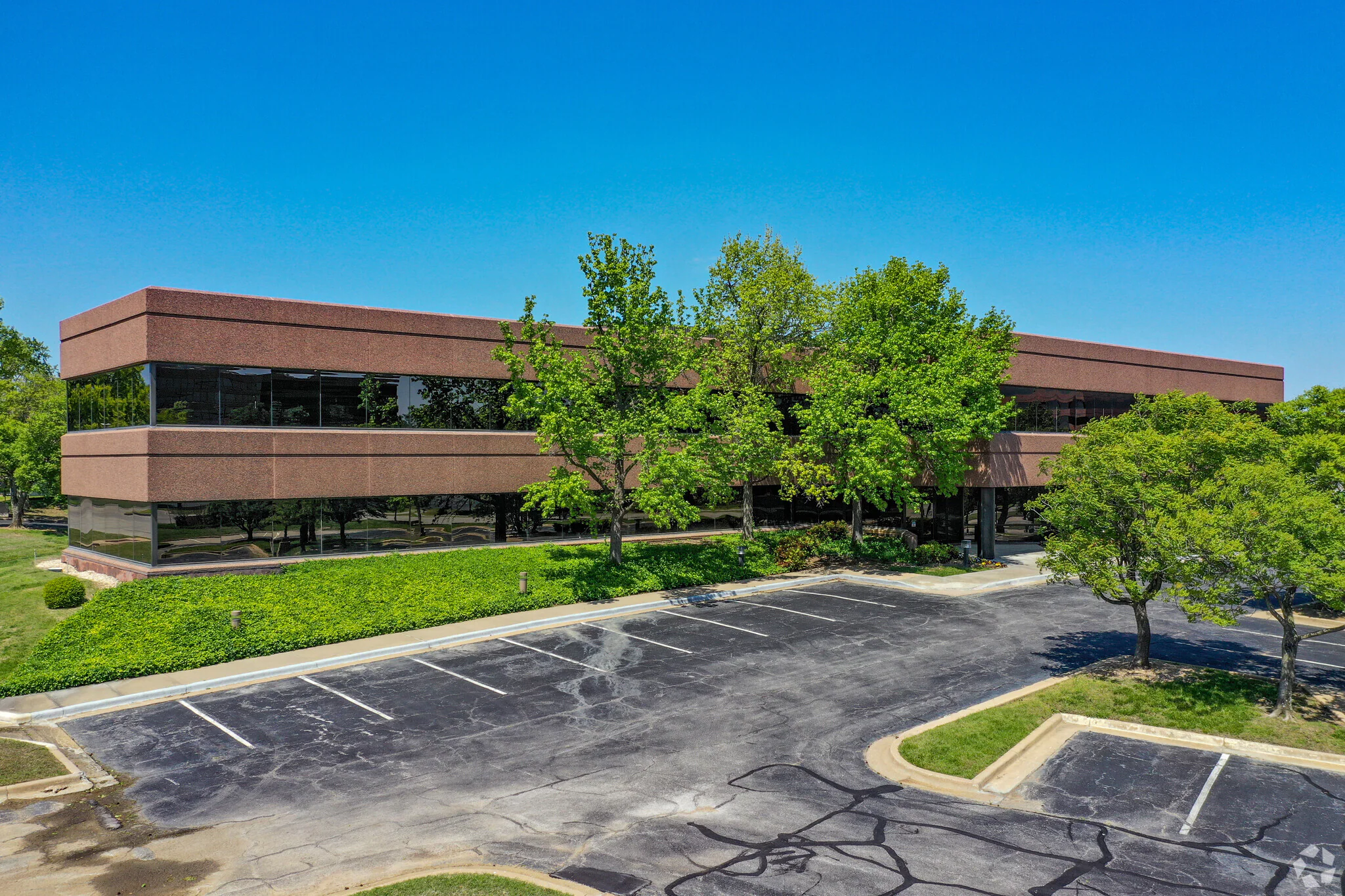
Actual Office Building Inspections We’ve Performed




Bibliography:
ASTM International. (2024). Standard guide for property condition assessments: Baseline property condition assessment process (ASTM E2018-24). ASTM International
Building Owners and Managers Association International. (2010). Preventive maintenance guidebook: Best practices to maintain efficient and sustainable buildings. BOMA International
Certified Commercial Property Inspectors Association. (n.d.). International standards of practice for inspecting commercial properties (ComSOP). CCPIA
U.S. Environmental Protection Agency. (n.d.). ENERGY STAR for commercial buildings. ENERGY STAR
U.S. Department of Energy. (n.d.). Operations and maintenance best practices. Federal Energy Management Program
Commercial Office Building: Muskogee, OK 5/12/2026