
Restaurant & Commercial Kitchen Building Inspections
Property Condition Assessments, Preventive Maintenance & Capital Planning for Restaurant Properties
Restaurant properties face some of the most demanding operating conditions in commercial real estate. Long operating hours, intensive plumbing use, commercial cooking activities, moisture, heat, and frequent customer traffic place considerable demands on building systems and infrastructure. Whether a restaurant occupies a standalone building, a shopping center suite, or a mixed-use commercial property, the condition of the building can directly influence operating expenses, tenant improvements, business interruptions, and future capital requirements.
At Focus Building Inspections, we help commercial property buyers, investors, landlords, business owners, and prospective tenants better understand the physical condition of restaurant buildings through commercial building inspections and Property Condition Assessments (PCAs). Understanding the property's condition before purchasing, leasing, or investing in improvements is an important step toward making informed financial decisions.
Property Condition Assessments for Restaurant Buildings
A functioning restaurant isn't necessarily a building in good condition. A restaurant may appear well maintained, operate successfully, and have recently renovated dining areas while still containing aging mechanical equipment, deteriorating plumbing, moisture-related deficiencies, or substantial deferred maintenance. A Property Condition Assessment (PCA) provides a systematic evaluation of a commercial property's observable physical condition. It helps identify material deficiencies, deferred maintenance, and building components that may require repair or replacement. Restaurant properties deserve particular consideration because their operations depend on building systems that frequently experience intensive use.
A restaurant PCA may identify observable concerns involving roofing, exterior components, accessible mechanical and electrical systems, plumbing, drainage, interior finishes, and site improvements. For buyers, these findings can reveal potential ownership expenses that may not be apparent during a typical property walkthrough. For landlords, they provide useful information when evaluating maintenance responsibilities, tenant improvements, and future capital needs. For restaurant operators considering a new location, understanding the condition of the existing building can help identify concerns that warrant further investigation before entering into a lease or committing to renovations.
A general commercial property inspection does not establish whether a kitchen layout, cooking system, or specialized equipment is suitable for a particular restaurant concept. Those determinations may require additional evaluations by qualified specialists.
Why Building Condition Matters to Restaurant Operations
A building deficiency can become a business interruption. In many commercial properties, a maintenance problem may be inconvenient. In a restaurant, the same problem can interfere with daily operations, limit the use of occupied spaces, or require temporary closures. Water intrusion, plumbing failures, inadequate drainage, electrical deficiencies, and mechanical equipment problems can affect both the building and the business operating within it. Consider a restaurant with recurring plumbing backups. Beyond the immediate repair expense, the operator may face disrupted service, inaccessible facilities, damaged interior finishes, or additional cleanup costs. Similarly, a deteriorating roof may allow water to enter dining areas, storage rooms, or food preparation spaces. What begins as a building maintenance issue can quickly create operational and financial complications.
These risks are particularly important for landlords who own restaurant properties. A building deficiency may affect tenant relationships, lease obligations, repair responsibilities, and the property's ability to remain occupied. Commercial building inspections help identify observable deficiencies so property stakeholders can better understand existing conditions and determine where maintenance or further evaluation may be necessary.
Preventive Maintenance for Restaurant Properties
Restaurant buildings benefit from maintenance planning that reflects how intensively they are used. Restaurants place continuous demands on building components. Plumbing fixtures, drains, ventilation-related infrastructure, electrical systems, doors, flooring, and climate-control equipment may experience considerably more frequent use than comparable components in many traditional office or storage properties. Grease, moisture, heat, cleaning activities, and high foot traffic can also contribute to deterioration when building components are not properly maintained.
A proactive maintenance strategy helps owners and operators recognize developing problems and address them before additional damage or operational interruptions occur.
Important maintenance considerations include:
Plumbing and drainage: Frequent use, grease-related accumulation, leaks, and recurring drainage problems can contribute to costly repairs and interruptions.
Moisture management: Kitchens, restrooms, utility areas, and exterior building components may experience moisture conditions that contribute to material deterioration.
Heating, cooling, and ventilation: Mechanical systems may operate for extended periods and experience significant demands associated with occupancy and building use.
Roofing and exterior maintenance: Water intrusion and neglected exterior components can affect interior spaces, equipment, and building materials.
Electrical infrastructure: Aging equipment, damaged components, and changing electrical demands may require further evaluation or improvements.
Floors and interior finishes: Repeated cleaning, spills, and heavy traffic can accelerate wear and deterioration.
Regular maintenance and periodic condition evaluations can help property stakeholders establish priorities, coordinate repairs, and reduce reliance on emergency responses.
Specialized systems such as commercial cooking hoods, grease-management equipment, fire suppression systems, and food-service appliances require maintenance and evaluation by appropriately qualified service providers. A general building inspection is not a substitute for those services.
Understanding Repair Costs Before Purchasing or Leasing a Restaurant Property
The cost of acquiring a restaurant property may be only the beginning. Restaurant buildings can contain substantial physical infrastructure that is expensive to repair, replace, or adapt for a new occupant. A property may have a desirable location and an established history of restaurant use while still requiring significant improvements to its plumbing, electrical systems, mechanical equipment, roofing, or interior spaces.
An Opinion of Cost provides estimated financial context for identified building deficiencies and anticipated repairs or replacements within the agreed assessment scope. This information is particularly useful when evaluating a property with deferred maintenance or planning improvements before occupancy. For example, a restaurant investor may discover that the building's roof is approaching the end of its anticipated service life while several mechanical components also require attention. Individually, these conditions may be manageable. Together, they can represent a substantial near-term financial obligation.
Prospective tenants should also consider the potential expense of adapting an existing restaurant space. A building previously occupied by one restaurant concept may require significant modifications to accommodate another. An Opinion of Cost for observable building deficiencies can inform the broader financial evaluation, but it should not be confused with a contractor's estimate for a complete restaurant renovation or specialized kitchen installation.
Understanding these distinctions helps buyers, landlords, and tenants make more informed decisions about acquisition costs, lease negotiations, repair responsibilities, and improvement budgets.
Capital Planning for Restaurant Buildings
Restaurant real estate should be evaluated as both a physical asset and an operating environment. The condition of a restaurant building can influence maintenance obligations, tenant relationships, anticipated capital expenditures, and the property's marketability.
Plan for major expenditures before they become urgent. Restaurant properties contain building systems and components with different maintenance requirements and anticipated service lives. Roofing, mechanical equipment, electrical infrastructure, plumbing systems, exterior improvements, and parking areas may require substantial investment during the ownership period. Because restaurant operations can depend heavily on the continued functionality of these systems, unexpected replacement needs may be especially disruptive.
Capital reserve planning helps property owners anticipate future repair and replacement expenditures by considering observable building conditions, anticipated remaining useful lives, and estimated costs. For landlords, capital planning can support decisions about building improvements, lease negotiations, and long-term ownership expenses. For owner-operators, it can help distinguish ongoing business operating costs from major building investments that may require separate financial preparation. For investors purchasing leased restaurant properties, understanding anticipated capital requirements is important when evaluating projected returns and the financial responsibilities assigned under existing leases.
A thoughtful capital plan does not eliminate unexpected expenses, but it can reduce uncertainty and help owners prepare for major property needs.
Different Restaurant Properties Present Different Challenges
The restaurant's format and location influence its building requirements and financial risks. Restaurant properties vary considerably in construction, occupancy, operating intensity, and the extent of specialized infrastructure present.
Standalone Restaurant Buildings — Freestanding restaurants often include dedicated parking, exterior site improvements, building systems, and sometimes drive-through infrastructure. Owners may be responsible for maintaining the entire property, making the condition of roofing, exterior components, mechanical systems, pavement, and drainage particularly important.
Restaurant Suites in Shopping Centers — Restaurants occupying shopping centers or strip malls may share roofs, exterior walls, utility infrastructure, parking areas, and other building components with neighboring tenants. Understanding the condition of shared components and the allocation of maintenance responsibilities is important for landlords, investors, and prospective tenants. The condition of the individual restaurant suite should also be considered alongside the larger commercial property's physical condition.
Fast-Casual & Quick-Service Restaurants — Quick-service restaurants may experience high customer turnover, frequent equipment use, and intensive demands on plumbing, electrical, and mechanical systems. Drive-through facilities, exterior circulation areas, and high-traffic access points can introduce additional property maintenance considerations.
Full-Service Restaurants — Full-service restaurants may contain larger dining areas, commercial kitchens, bars, private event spaces, and more extensive interior improvements. The condition of building systems, moisture-prone areas, restrooms, and interior components can influence maintenance expenses and the ability to maintain uninterrupted operations.
Restaurant Conversions & Second-Generation Spaces — A second-generation restaurant space is a property previously occupied by another food-service business. Although existing kitchen infrastructure may appear to reduce the cost of opening a new restaurant, the systems may be outdated, poorly maintained, or unsuitable for the proposed use. Before committing to a conversion, buyers and tenants should consider both the building's observable condition and the need for specialized evaluations of the proposed restaurant layout, equipment, utilities, and applicable regulatory requirements.
DON'T LET OVERLOOKED BUILDING DEFICIENCIES DISRUPT YOUR RESTAURANT INVESTMENT
A restaurant property can look ready for business while carrying substantial deferred maintenance, aging building systems, or expensive repair obligations. Discovering these problems after purchasing or leasing the property can affect renovation budgets, operating expenses, and the ability to open or remain operational. A commercial building inspection or Property Condition Assessment helps identify observable deficiencies before you make a significant financial commitment. For existing owners, periodic evaluations can also support preventive maintenance and future capital planning.
Don't assume a restaurant building is a sound investment simply because it has been operating successfully. Understand its physical condition, anticipate potential expenses, and make informed decisions before costly surprises affect your investment.
Commercial Kitchen and Restaurant Inspection Experience
Restaurant BUILDINGS INSPECTED BY FOCUS BUILDING INSPECTIONS
Our commercial inspection portfolio includes restaurants and kitchens of varying sizes, ages, and occupancy types. These completed projects demonstrate our experience evaluating building conditions and documenting findings that help commercial property buyers and owners make informed decisions.
Explore our commercial kitchen inspections to see examples of the properties we've evaluated. Our thorough knowledge and skills ensure that every inspection is detailed and reliable, providing you with the insights needed to care for your building responsibly. Trust our team to help you protect your asset’s future and uphold your commitment to employees, customers, and tenants.
ONE STANDARD. MULTIPLE STATES. TRUSTED EVERYWHERE.
We provide property inspections nationwide. While we heavily serve the Midwest, our competitive pricing allows us to rival local vendors anywhere in the country. We’ve purposefully designed a lean business model that allows even our traveling inspection fees to remain highly competitive with local inspection prices. Click here to find out if we’re serving your location.
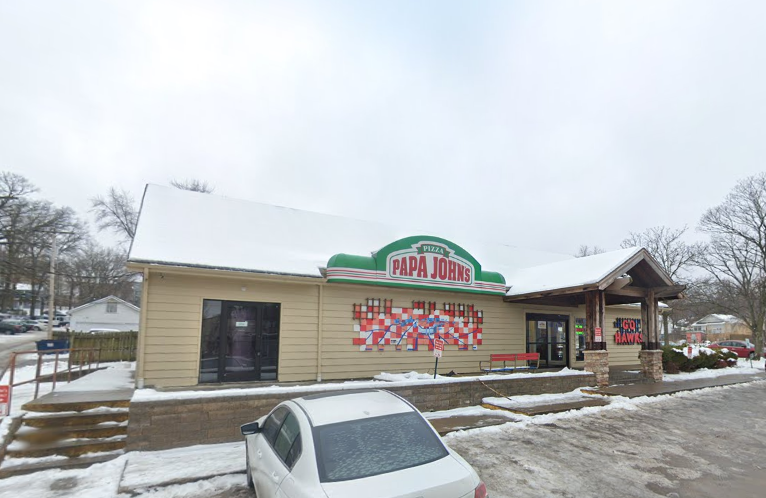
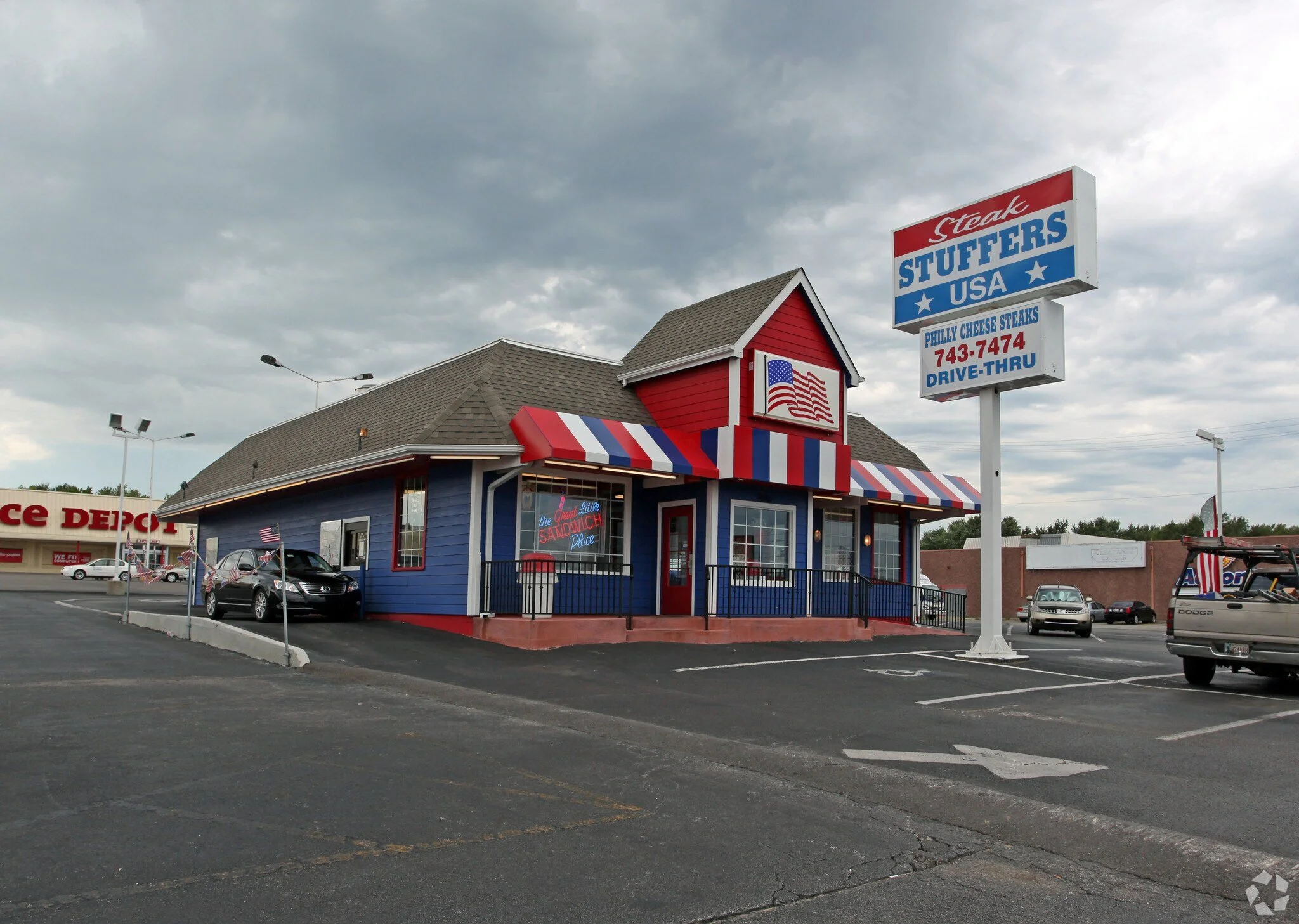
Actual Restaurant Building Inspections We've Performed




Bibliography:
ASTM International. (2024). Standard guide for property condition assessments: Baseline property condition assessment process (ASTM E2018-24). https://store.astm.org/e2018-24.html
Building Owners and Managers Association International. (2010). Preventive maintenance guidebook: Best practices to maintain efficient and sustainable buildings. https://www.boma.org/
Certified Commercial Property Inspectors Association. (n.d.). International standards of practice for inspecting commercial properties (ComSOP). https://ccpia.org/international-standards-of-practice-for-inspecting-commercial-properties-comsop/
National Fire Protection Association. (n.d.). NFPA 96: Standard for ventilation control and fire protection of commercial cooking operations. https://www.nfpa.org/codes-and-standards/nfpa-96-standard-development/96
U.S. Environmental Protection Agency. (n.d.). ENERGY STAR for restaurants.https://www.energystar.gov/buildings
U.S. Department of Energy. (n.d.). Operations and maintenance best practices.https://www.energy.gov/femp/operations-and-maintenance
Commercial Restaurant: Elkhart, KS 7/15/2026