

ADA Compliance in Schools: Protecting Students, Staff, and Districts
Introduction: Why ADA Compliance Matters in Educational Facilities
Accessibility in schools is more than a legal checkbox — it’s a moral, financial, and operational priority. Every student, staff member, and visitor deserves a safe and inclusive environment. For school districts, colleges, and private educational institutions, ADA compliance also represents a significant risk management and budget planning responsibility.
Failure to meet Americans with Disabilities Act (ADA) requirements can lead to costly litigation, reputational damage, and even federal oversight. Yet, many schools across the country — particularly older campuses — still struggle with physical barriers that violate accessibility standards.
This article explores ADA compliance in schools through the lens of commercial building inspection standards such as ASTM E2018 and CCPIA guidelines, emphasizing how Property Condition Assessments (PCAs) and Accessibility Inspections help districts stay proactive.

ADA Compliance in Schools: Protecting Students, Staff, and Districts
Understanding ADA Requirements for Schools Across America
What Is the ADA?
The Americans with Disabilities Act (ADA), enacted in 1990, prohibits discrimination based on disability and mandates accessibility in public accommodations — including public and private schools, colleges, and universities. Educational facilities must ensure that both new construction and existing structures are accessible to individuals with disabilities.
Title II and Title III: Applicability to Schools
Title II applies to public entities, including K–12 schools, state colleges, and universities.
Title III applies to private educational institutions and mandates barrier removal in existing buildings when “readily achievable.”
Compliance encompasses a wide range of facility elements:
Parking, curb ramps, and pathways
Entrances and doorways
Restrooms and locker rooms
Classrooms, libraries, and laboratories
Cafeterias, auditoriums, and gymnasiums
Signage, elevators, and emergency systems
Failure in any of these areas can result in accessibility barriers that violate federal law.
The Role of ADA Inspections in Educational Facility Management
What Is an ADA Inspection?
An ADA inspection — sometimes referred to as an Accessibility Survey — is a systematic review of a property’s compliance with federal, state, and local accessibility standards. For schools, this inspection identifies physical barriers and prioritizes necessary improvements.
How ADA Inspections Fit Within a Property Condition Assessment (PCA)
According to ASTM E2018, a Property Condition Assessment (PCA) is a standardized evaluation that identifies the physical deficiencies of a property. For educational institutions, a PCA can include an ADA Accessibility Review as an integral component.
A qualified commercial building inspector—often certified through the Certified Commercial Property Inspectors Association (CCPIA)—can bundle these services to provide a unified, comprehensive report. This integration gives school districts actionable insight into:
Immediate accessibility violations
Long-term maintenance needs
Budget planning for barrier removal and system upgrades
Common ADA Deficiencies in Schools
Educational campuses—especially those built before the ADA’s 1990 enactment—commonly present recurring accessibility challenges. Below are several of the most frequently observed deficiencies identified in commercial ADA inspections:
1. Noncompliant Ramps and Pathways
Many campuses have ramps that are too steep, lack handrails, or fail to connect accessible routes between buildings. Even minor slope deviations can make navigation unsafe for wheelchair users.
2. Improper Door Hardware and Width
Older schools often have narrow doorways or knob-style handles that do not meet current accessibility standards. Automatic door openers, lever handles, and minimum width requirements are essential for compliance.
3. Inaccessible Restrooms
Restroom stalls that lack proper clearance, grab bars, or accessible sinks remain one of the most cited ADA violations in educational facilities. Upgrading these spaces can be logistically challenging but yields major compliance gains.
4. Noncompliant Signage
ADA requires tactile, high-contrast signage with Braille for permanent room identification. Missing or outdated signage is a low-cost but high-impact fix.
5. Playground and Outdoor Access
Playgrounds, sports fields, and outdoor classrooms must include accessible routes and play components. Many older campuses still lack compliant pathways or adaptive equipment.
6. Parking Lot Deficiencies
Misplaced or improperly marked accessible parking spaces are among the easiest issues to spot—and to fix. Yet, they often represent district-wide noncompliance patterns.
The Financial and Legal Implications of ADA Noncompliance
1. Litigation and Fines
The U.S. Department of Justice (DOJ) actively enforces ADA requirements, and schools found noncompliant may face civil penalties, consent decrees, and costly remediation mandates. Private lawsuits by advocacy groups or individuals are also common.
2. Operational Disruptions
Barrier removal projects often require construction downtime, temporary closures, or rerouted traffic flow—impacting the daily learning environment.
3. Insurance and Liability Exposure
Insurance carriers increasingly scrutinize accessibility during underwriting and claims review. Schools with documented noncompliance risk higher premiums or coverage disputes.
4. Budget Planning Challenges
Without a Cost-to-Cure Report, districts are often caught off-guard by accessibility repair expenses. Bundling ADA inspections with a 10-year cost projection enables proactive financial planning and capital allocation.
Integrating ADA Reviews with PCAs and Cost-to-Cure Reports
The Power of a Bundled Approach
A Property Condition Assessment (PCA) combined with an Accessibility Inspection and Cost-to-Cure Report provides a full-picture understanding of a school district’s facility health. We specialize in providing building inspections, maintenance plans, and financial expense forecasts for educational buildings nationwide including daycare facilities, public school districts, and private school campuses — review our guide for administrators here.
PCA (ASTM E2018 framework): Evaluates overall building systems (structure, envelope, HVAC, plumbing, electrical, etc.).
ADA Inspection: Focuses specifically on accessibility barriers.
Cost-to-Cure Report: Estimates the cost and timeline for compliance upgrades and general building repairs.
Together, these deliverables enable administrators to make data-driven decisions regarding:
Capital improvement prioritization
Funding and bond proposal justification
Grant and state aid applications
Risk mitigation strategies
Example: A Midwestern School District’s Modernization Plan
A district with 12 campuses conducted bundled PCAs and ADA inspections as part of a modernization plan. Inspectors found that 8 campuses lacked compliant accessible routes between classroom wings, and restroom upgrades were needed in 10 buildings.
By integrating cost projections, the district developed a phased five-year accessibility plan, successfully securing capital improvement funding with clearly itemized needs. The result: increased compliance, enhanced safety, and transparent budgeting.
ASTM E2018 and CCPIA Guidance for Accessibility Reporting
According to ASTM E2018 – Standard Guide for Property Condition Assessments: Baseline Property Condition Assessment Process, accessibility considerations fall within the “optional additional considerations” that can be incorporated into a PCA.
However, for schools, ADA compliance is rarely optional. CCPIA-trained inspectors recommend integrating ADA evaluations as a core component of due diligence for educational properties.
Key ASTM and CCPIA Takeaways:
Accessibility inspections must be conducted by qualified professionals familiar with ADA standards and local codes.
Reports should document both current conditions and recommendations for corrective action, aligned with ASTM reporting protocols.
Findings should include a clear opinion of probable cost (often called “cost-to-cure”) for each deficiency.
Inspectors should reference the 2010 ADA Standards for Accessible Design when applicable.
The Hidden ROI of ADA Compliance in Education
1. Protecting Student and Staff Safety
Accessible design minimizes trip hazards, improves emergency evacuation routes, and ensures equitable participation for all students.
2. Enhancing Reputation and Enrollment
Modern, inclusive facilities reinforce community trust and attract families who value equity and safety.
3. Increasing Property Value and Longevity
Fully compliant schools are more desirable assets, particularly for districts consolidating, leasing, or repurposing facilities.
4. Strengthening Public Funding Opportunities
Demonstrating compliance readiness can improve eligibility for state or federal funding under educational improvement or modernization initiatives.
How to Get Started: Steps Toward ADA Compliance in Your District
Engage a Qualified Commercial Building Inspector
Partner with a firm specializing in commercial ADA inspections and Property Condition Assessments (PCAs)—not residential home inspections. Verify CCPIA or ASTM E2018 expertise.Bundle Inspections for Efficiency
Combine ADA reviews with PCAs and Cost-to-Cure Reports to consolidate findings and maximize value.Prioritize High-Risk Deficiencies
Address safety-critical areas first, such as egress routes, ramps, and restrooms.Develop a Multi-Year Accessibility Plan
Use inspection data to plan upgrades over time, aligning with capital improvement budgets and available grants.Document and Communicate Progress
Maintain clear documentation for audits, funding applications, and community transparency.
The Role of Commercial Inspectors in Supporting School Districts
Commercial building inspectors trained in accessibility assessments bring a technical and compliance-driven perspective that complements architectural or facilities staff input.
They evaluate:
Site access and circulation
Building envelope and system interactions
Interior path of travel
Maintenance practices impacting accessibility
Professional inspectors also provide neutral, third-party documentation, which is invaluable when seeking board approvals, architect bids, or state reimbursements.
Final Takeaway: Proactive Compliance Is the Smartest Investment
For educational leaders, ADA compliance isn’t just about avoiding penalties — it’s about creating safe, inclusive environments that reflect the district’s mission.
By partnering with a qualified commercial inspection firm for Property Condition Assessments (PCAs), ADA reviews, and Cost-to-Cure projections, school districts can:
Reduce legal and financial exposure
Strengthen their community reputation
Improve facility planning accuracy
Protect students and staff for decades to come
In an era of aging infrastructure and heightened accessibility awareness, proactive compliance isn’t just responsible — it’s strategic facility stewardship.
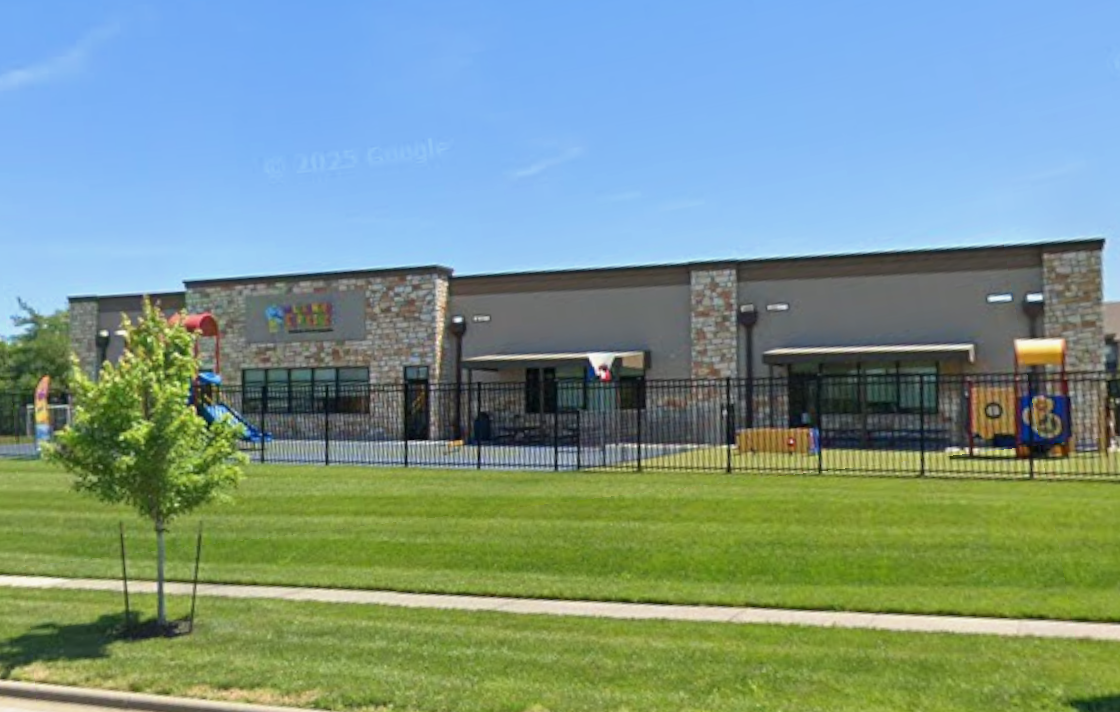
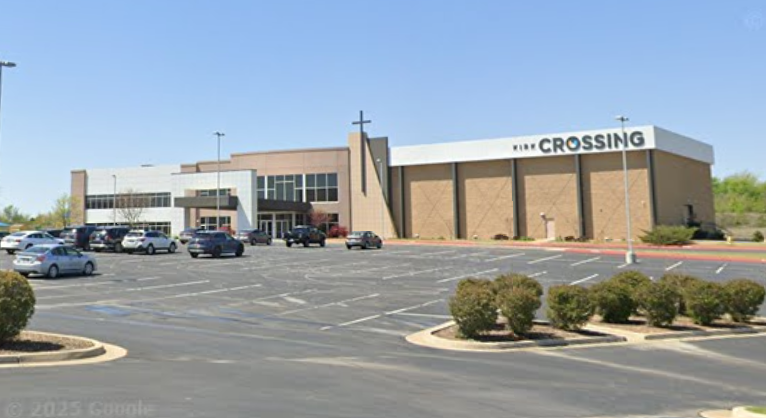
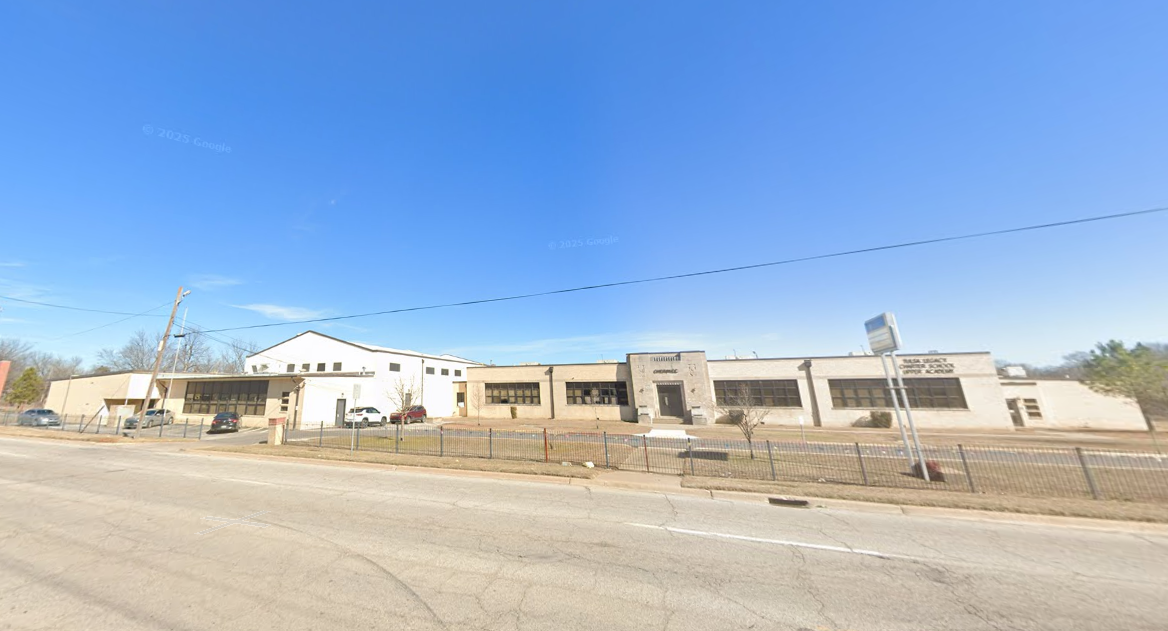
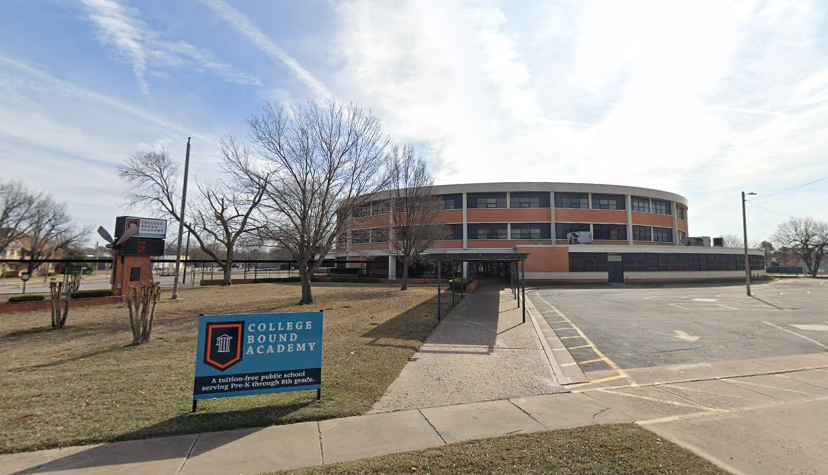
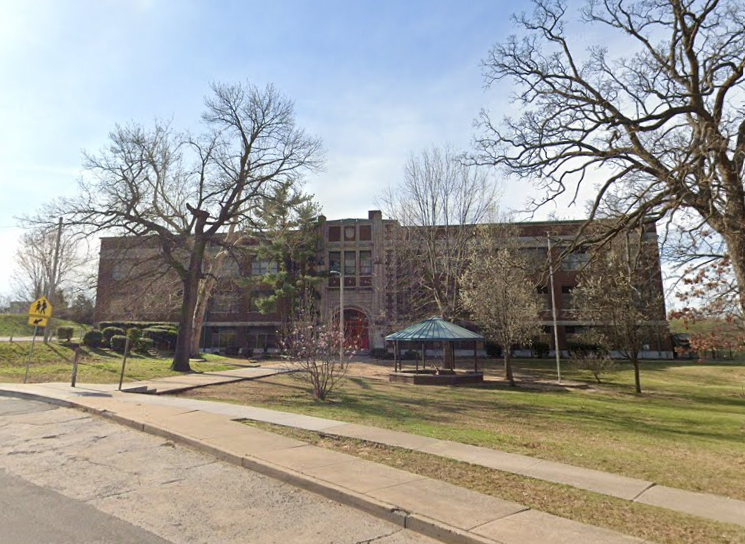
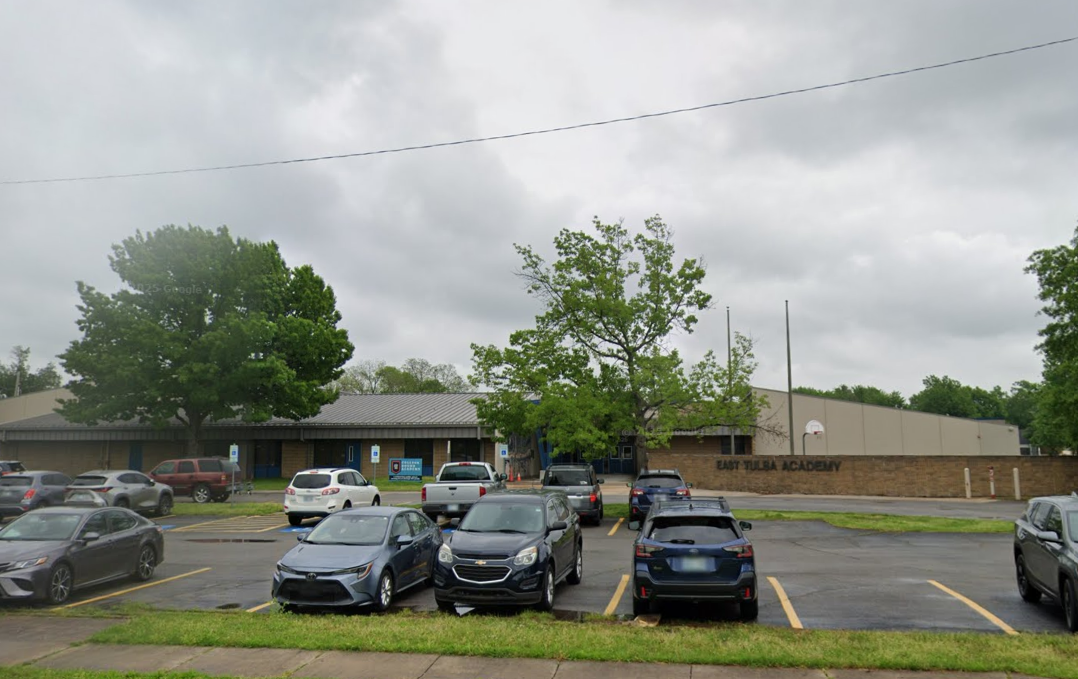
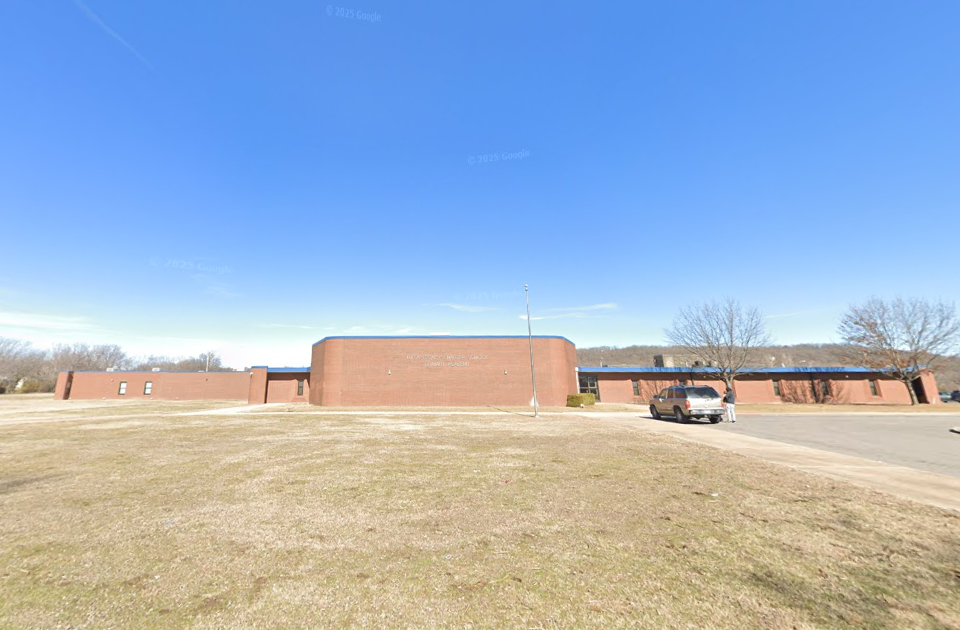
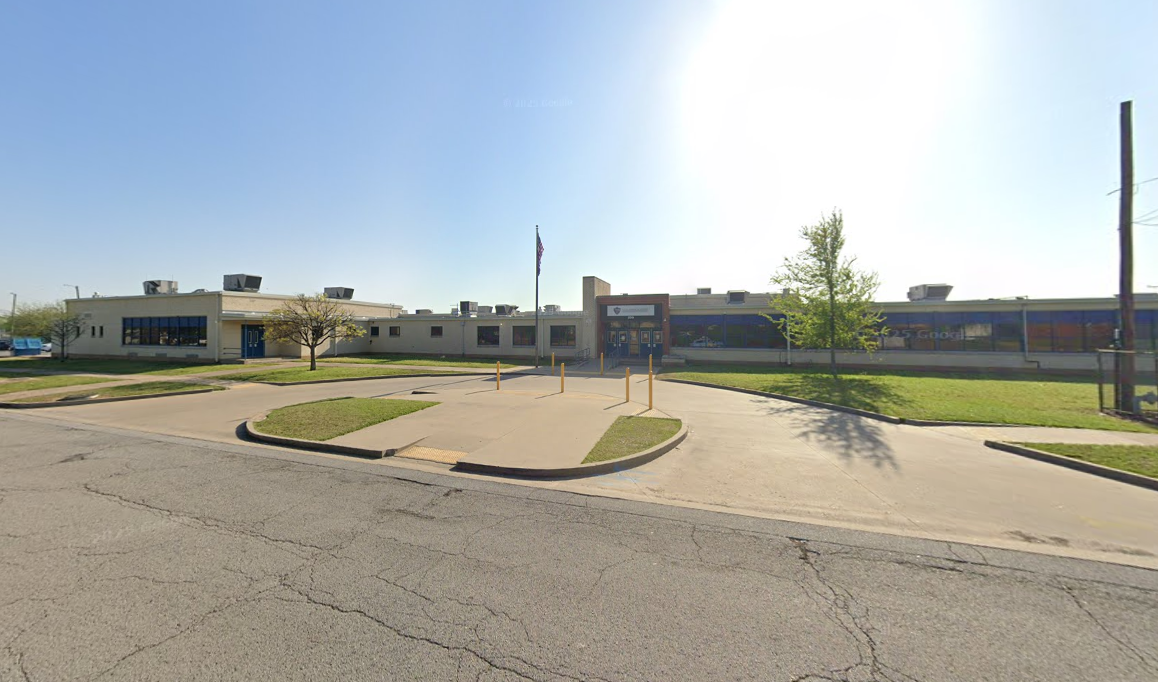
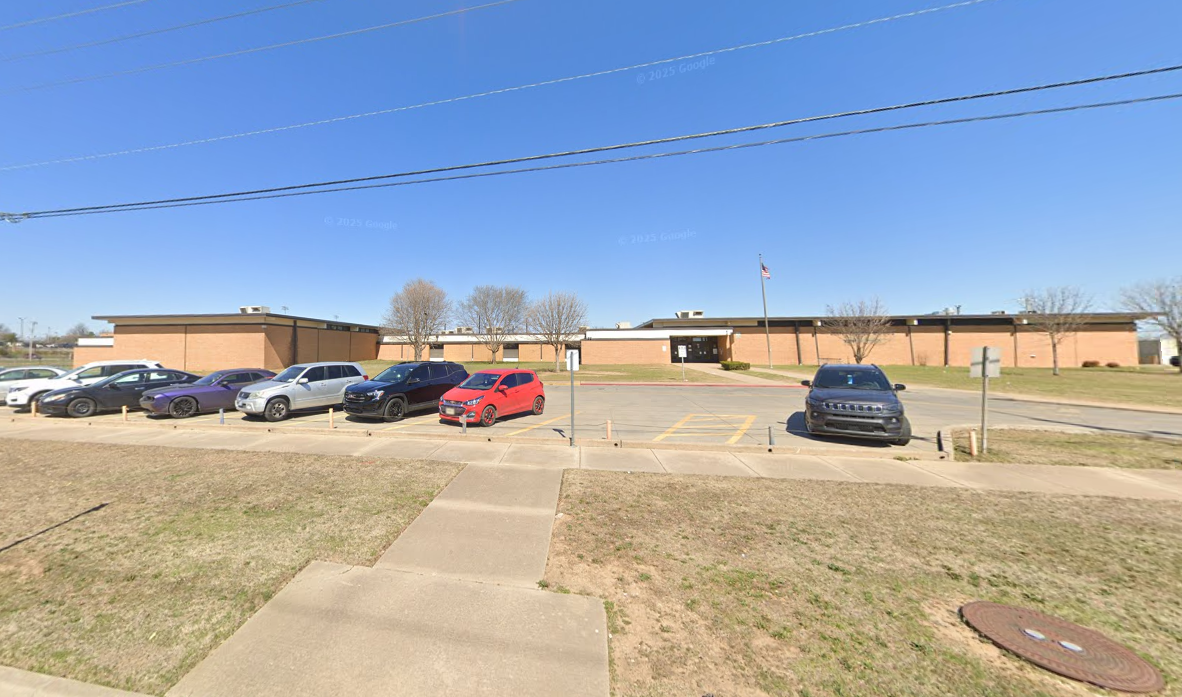
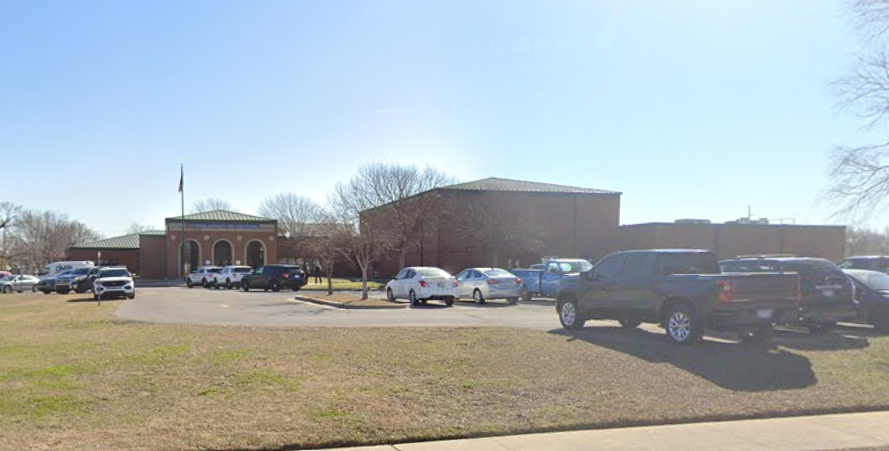
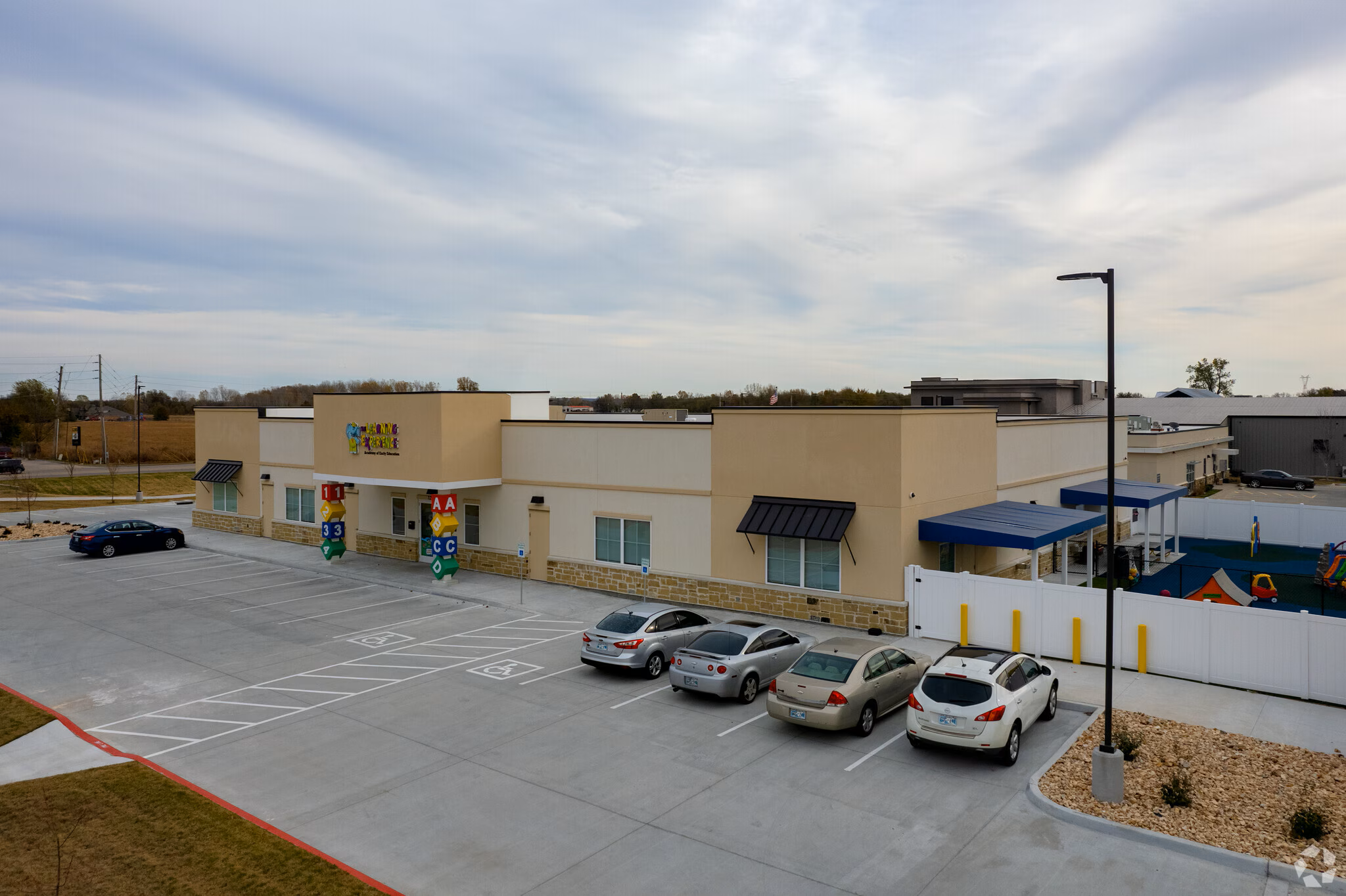
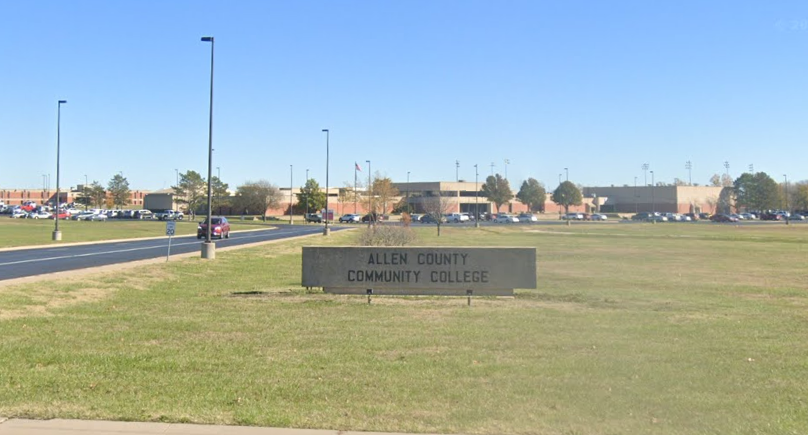
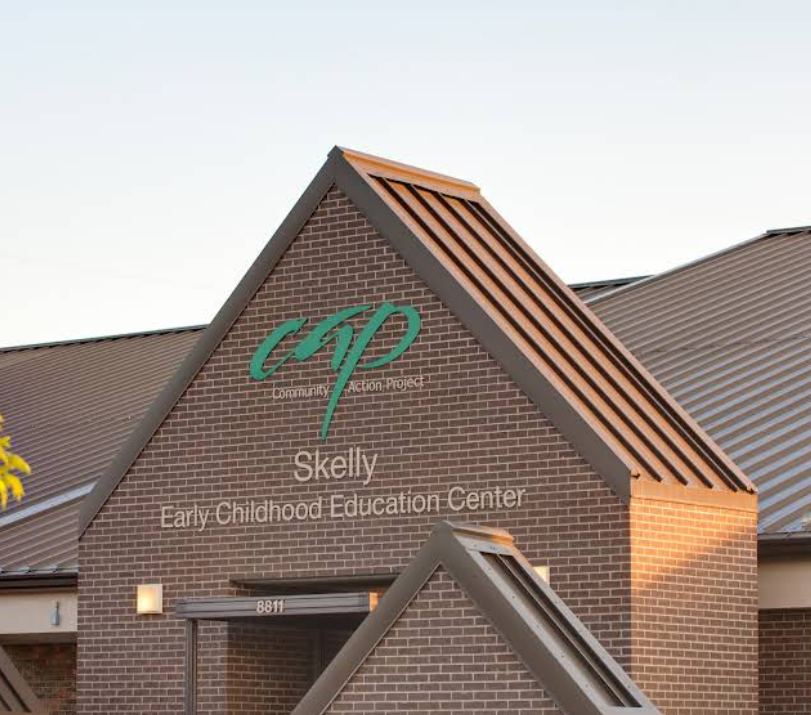
Actual Educational and Religious Buildings We’ve Inspected Across the United States





Bibliography:
ASTM International. (2024). ASTM E2018-24: Standard Guide for Property Condition Assessments: Baseline Property Condition Assessment Process. Retrieved from https://www.astm.org/e2018-24.html
U.S. Department of Justice. (2010). 2010 ADA Standards for Accessible Design. Retrieved from https://www.ada.gov/resources/2010-ada-standards/
Certified Commercial Property Inspectors Association (CCPIA). (2024). Guide to Accessibility Inspections. Retrieved from https://ccpia.org
U.S. Access Board. (2024). Accessibility Guidelines for Buildings and Facilities. Retrieved from https://www.access-board.gov/ada/
Keywords:
ADA compliance in schools
School accessibility inspection
Educational facility ADA audit
Property condition assessment for schools
Commercial building inspection for schools
ASTM E2018 PCA
CCPIA accessibility inspection
ADA barrier removal plan
Cost-to-cure report for schools
Accessibility compliance for districts
ADA upgrades in education
ADA inspection report
Inclusive school design
ADA lawsuit prevention
Commercial property inspection Oklahoma
Religious Building: Winfield, KS 4/20/2026